 STELABEAUTYAPP
A simple nighttime skincare routine
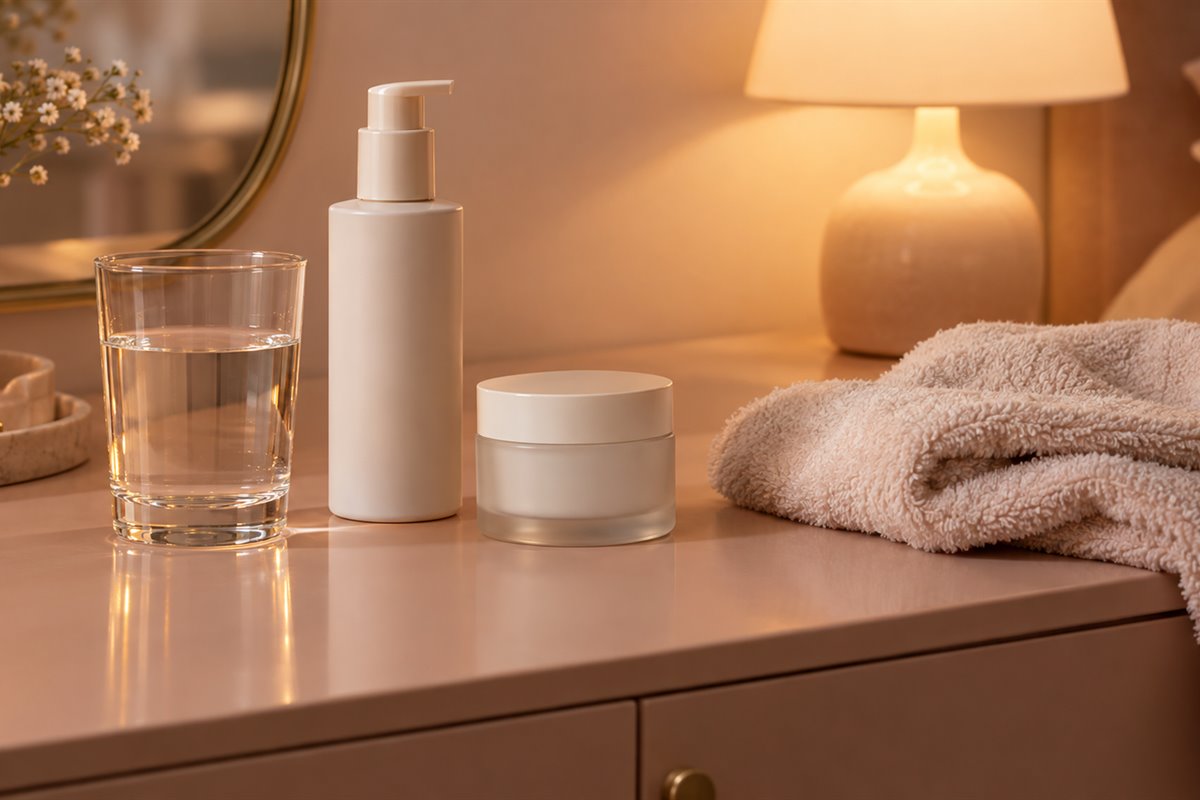
A nighttime routine does not require a shelf full of products. For many people, removing makeup, cleansing gently and moisturizing are enough to start. Every person’s skin has different needs, and consistency is often more practical than switching products every few days.
Here is one way to order the steps and observe how your skin responds. This guide is informational and does not replace advice from a dermatologist.
Start with your skin’s needs
Notice whether your skin feels tight after cleansing, whether certain areas look shiny and whether some cosmetics cause discomfort. These observations can help you choose textures, although skin changes with the weather and other factors. You do not need a perfect skin-type label to begin a simple routine.
If you have persistent irritation, concerning acne, a diagnosed condition or prescription treatments, consult a professional before adding active products. Instructions for your treatment take priority over a general routine found online.
Remove makeup and sunscreen gently
If you wear makeup, use a remover suitable for your skin and eye area, following its label. Rest the cotton pad or cloth gently against the makeup instead of rubbing hard. Keep your eyes closed and stop if you notice burning.
Some people prefer an oil-based cleanser followed by a water-based cleanser; others use one cleanser that removes their products well. Double cleansing is optional. Choose a method that removes residue without leaving your skin tight or uncomfortable.
Read also: A Skincare Routine for Your Skin Type.
Cleanse without scrubbing
Wash your hands and wet your face with lukewarm water. Apply a small amount of gentle cleanser with your fingertips, without harsh scrubbers or brushes. Rinse as directed and pat dry with a clean towel rather than dragging it across your skin.
More foam or a very tight feeling does not necessarily mean better cleansing. If your cleanser repeatedly leaves you uncomfortable, consider another formula. Keep towels clean and avoid sharing them; wash pillowcases and tools that frequently touch your face too.
Moisturize and observe
Apply a cream or lotion that feels comfortable on your skin. You may like a light texture in warm weather and a richer one in a dry environment, but preferences differ. Spread an even layer without rubbing and keep the product out of your eyes.
If your skin remains very dry or burns, consider simplifying your routine and consulting a professional. You do not need a separate product for every area. Follow each container’s instructions and avoid a product whose smell, color or consistency has changed noticeably.
Add extras one at a time
Serums, exfoliants and treatments have different instructions and concentrations. Adding several at once makes it difficult to identify a cause if irritation occurs. If you try one, read the label, consider a small-area test and give it time before adding another. Follow the manufacturer’s or professional’s recommended frequency.
Avoid exfoliants or strong products on irritated skin and do not try to compensate by using more. If you use a skin medication, ask the prescribing professional before combining it with active cosmetics. Stop using a product that irritates you and seek help if symptoms persist.
Make the routine easy to keep
Keep essentials in a clean, visible place away from excessive heat, according to their storage directions. A short routine before bed can help you avoid sleeping in makeup. On a busy night, prioritize removing what you are wearing and cleansing gently.
The next morning, use broad-spectrum SPF 30 or higher alongside other sun-protection measures, and reapply as directed during outdoor exposure. Review your habits after a few weeks and keep what feels comfortable and appropriate for your skin.
Quick summary
- Remove makeup without rubbing and cleanse gently.
- Choose a moisturizer that feels comfortable.
- Introduce new products one at a time.
- Stop irritating products and seek advice if symptoms persist.
- Add sun protection during the day.