 STELABEAUTYAPP
A Skincare Routine for Your Skin Type
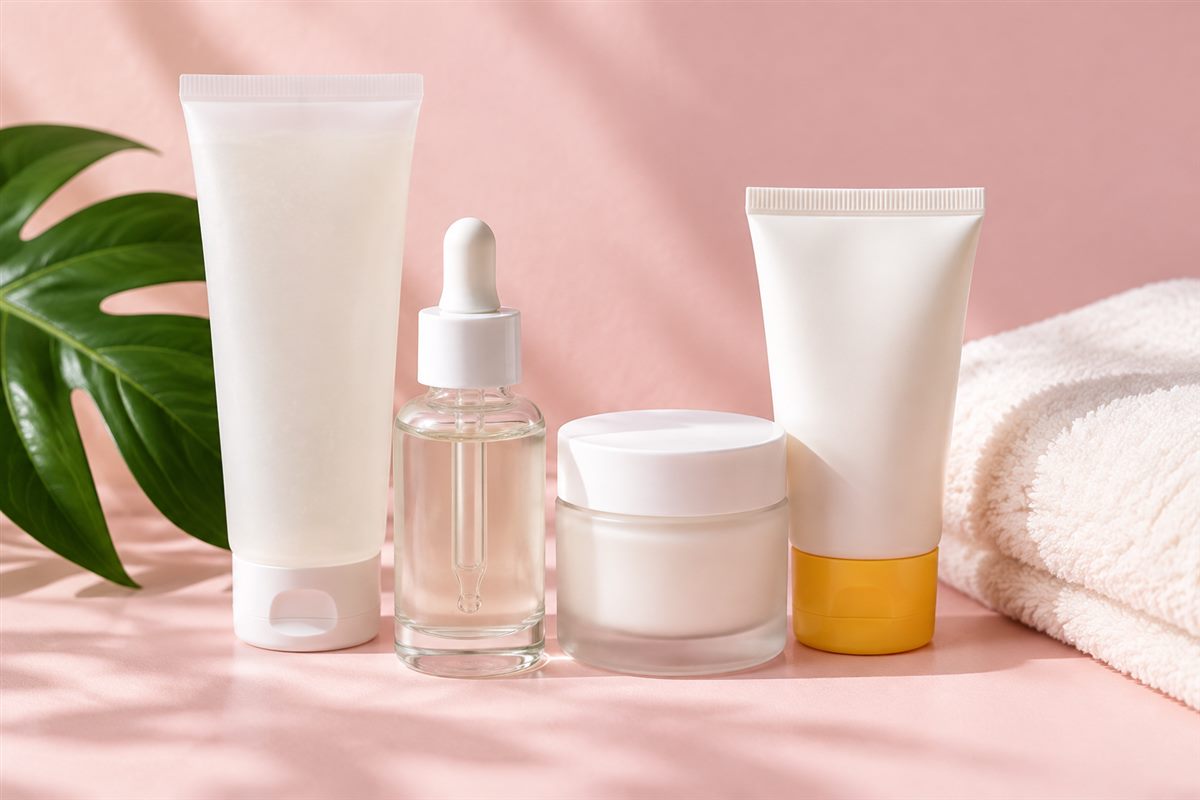
An effective skincare routine does not need ten steps. For most people it is enough to cleanse, moisturize and protect from the sun, adjusting the texture and ingredients to the skin type. Knowing your skin type helps you choose products that feel comfortable and avoid those that irritate or overload it.
This guide describes common skin types, a basic morning and evening routine, and tips for adding new products. Sensitivity can occur with any skin type. This is general information and does not replace an assessment by a dermatologist.
How to recognize your skin type
To observe your skin, wash your face with a gentle cleanser you tolerate, pat it dry and notice how it feels after a while. Do this when you do not need to go outside so you do not skip sunscreen. An observation is not a diagnosis, and you should not leave your skin uncomfortable.
- Normal skin: feels comfortable, without excess shine or tightness.
- Oily skin: visible shine, especially on the forehead, nose and chin, and more noticeable pores.
- Dry skin: a tight feeling, a dull look and possible flaking.
- Combination skin: a shiny T-zone and normal or dry cheeks.
Sensitivity, such as stinging or itching from products, can occur with any of these skin types. Skin can also change with age, climate or treatments; observe how it responds at different times.
The basic routine: morning and evening
In the morning: cleanse with water or a gentle cleanser, apply a light moisturizer and finish with a broad-spectrum sunscreen. In the evening: remove makeup and sunscreen with a cleanser, moisturize and, if you use one, apply a targeted treatment.
Choose broad-spectrum sunscreen with SPF 30 or higher. The American Academy of Dermatology recommends reapplying approximately every two hours outdoors and after swimming or sweating, while also following the label. Combine it with shade and protective clothing.
Read also: How to Choose a Foundation Shade for Your Skin Undertone.
Adjustments for your skin type
- Oily skin: gentle gels or foams, oil-free gel or emulsion moisturizers and a lightweight sunscreen. Avoid excessive washing or scrubbing, which can irritate skin and worsen breakouts.
- Dry skin: creamy cleansers, creams with humectant and emollient ingredients, and an extra layer of protection at night.
- Combination skin: mix and match; moisturize the T-zone with light textures and the cheeks with something richer.
- Normal skin: keep the basic routine and adapt the texture to the season.
- Sensitive skin: choose products without fragrance or irritating alcohol, introduce one product at a time and avoid frequent exfoliation.
How to add new products
Introduce one new product at a time. The American Academy of Dermatology recommends testing skin care products on a small area twice daily for seven to ten days; rinse-off products should be removed according to their directions. A test without a reaction cannot guarantee you will never experience irritation. If you have a skin condition or use treatments, consult a professional before adding active products.
If intense burning, persistent redness or hives appear, stop the product and consult a professional.
Habits that also count
Sleeping well, drinking water, eating a varied diet and not touching your face often all influence how your skin looks. Change pillowcases regularly and clean makeup brushes and sponges to avoid residue buildup.
If you have persistent acne, spots that change, moles that grow or bleed, or any condition that worries you, see a dermatologist; no online guide can diagnose.
Makeup and skincare go hand in hand
Well-hydrated, protected skin improves the result of any makeup: foundation adheres better and finishes look more even. If you wear makeup daily, always remove it before sleeping. In StelaBeautyApp you can save your skin profile and explore a catalog of beauty products; recommendations are illustrative and are not medical advice.
Quick summary
- Cleanse, moisturize and protect from the sun every day.
- Adjust textures and ingredients to your skin type.
- Introduce one new product at a time and patch test first.
- Remove makeup before sleeping.
- For any health concern, see a dermatologist.