 STELABEAUTYAPP
How to choose and use facial sunscreen
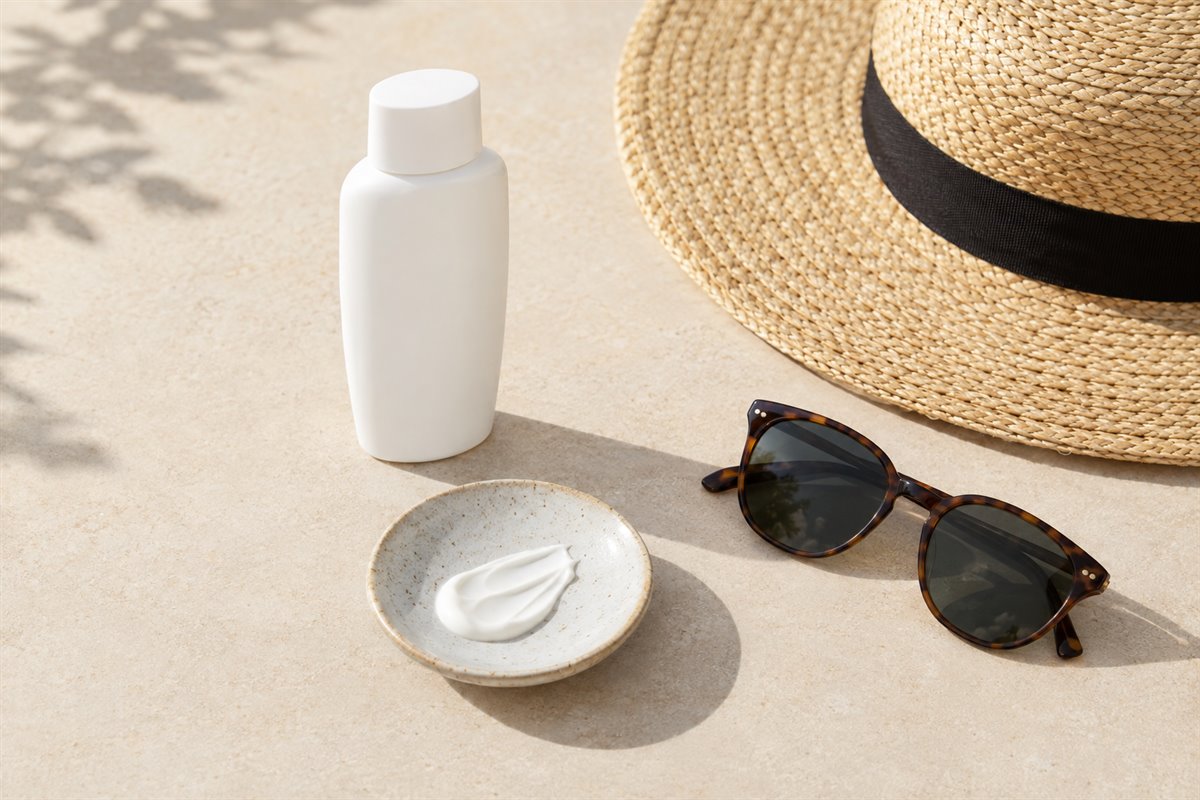
Sun protection is an important part of everyday skin care. A comfortable facial sunscreen can make it easier to include in your routine, but no product provides complete protection. Seek shade, wear clothing that covers skin, and consider a wide-brimmed hat and suitable sunglasses when you are in the sun.
This guide explains what to look for on a label, how to apply sunscreen and what to consider when wearing makeup. Individual needs differ, so consult a health professional if you have questions about your skin.
Read the label
Look for broad-spectrum protection against UVA and UVB rays and a sun protection factor, or SPF, of 30 or higher. If you plan to swim or sweat, choose a water-resistant sunscreen and follow the time and directions on its label. No sunscreen is completely waterproof.
SPF describes protection against sunburn under test conditions; it does not mean you can stay in the sun indefinitely. Applying enough, reapplying and using physical protection all matter. Check the expiration date and storage directions too.
Find a texture you will use
Sunscreens come in creams, lotions, gels and other textures. Some people prefer light formulas for oily-feeling skin, while others choose more moisturizing options. Try the feel and finish: a pleasant formula can support consistent use, but the protection on the label and correct application remain essential.
If your skin is sensitive, review the ingredients and consider testing a small amount as the manufacturer directs. Stop using it if irritation occurs. A dermatologist can help you choose a formula if you have a skin condition or frequent reactions to cosmetics.
Read also: A Skincare Routine for Your Skin Type.
Apply it as part of your routine
After cleansing and moisturizing, apply sunscreen as directed on the container before going outside. Spread it evenly over the face and other exposed areas such as ears and neck. Keep it out of your eyes and pay attention to easily missed areas like the hairline.
Use enough to cover the skin well; a layer that is too thin may provide less protection than the label states. Let it settle before makeup. If it pills or moves under foundation, try a different combination rather than reducing the amount needed.
Remember to reapply outdoors
The American Academy of Dermatology recommends reapplying approximately every two hours while outdoors and after swimming or sweating, following the product directions. Towel drying can also remove product. A phone reminder may help during a beach day or a long outdoor activity.
Makeup with SPF can be a complement, but it is difficult to know whether enough has been applied to reach the label protection. Do not rely only on a thin layer of foundation or powder. Plan how you will reapply sunscreen and seek shade when possible.
Combine protective measures
Besides sunscreen, seek shade and wear clothing that covers skin, a wide-brimmed hat and suitable sunglasses. Exposure can occur on cloudy days and near surfaces that reflect light. Planning outings and breaks in shaded places can reduce direct exposure.
No single measure removes all sun-related risk. If you notice a changing lesion, a serious burn or have questions about moles, consult a health professional. This guide provides general information and is not personalized medical advice.
Store your product and review your routine
Store the product as the manufacturer directs and avoid leaving it in very hot places for long periods, such as a car in the sun. Check the expiration date and replace expired sunscreen. If its appearance, texture or smell changes, consult the brand’s instructions before use.
For more general recommendations, see the American Academy of Dermatology’s sunscreen frequently asked questions at aad.org. Choose a product that fits your day, keep another available for reapplication and combine it with shade and protective clothing.
Quick summary
- Choose broad-spectrum SPF 30 or higher.
- Apply enough to cover exposed areas.
- Reapply about every two hours outdoors and after swimming or sweating.
- Combine sunscreen with shade, clothing, a hat and sunglasses.
- Check expiration dates and product directions.