 STELABEAUTYAPP
Makeup contour for beginners: a gentle technique
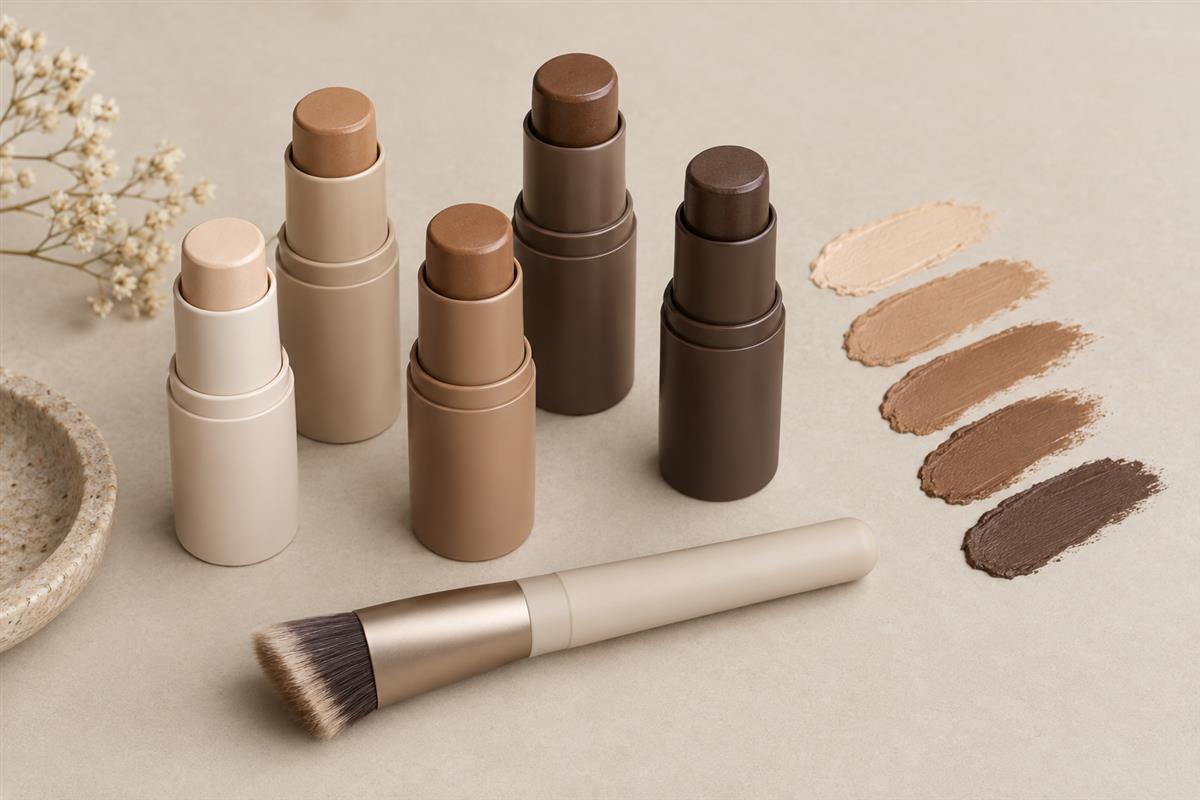
Contouring is an optional makeup technique that uses shades to suggest shadows. No face shape needs correcting: you can try the effect for fun or choose not to use it.
When starting, work with a small amount and notice how it looks in different lighting. This guide explains how to select a product and blend without relying on complicated lines.
Contour and bronzer are different
Contour aims to suggest a shadow, while bronzer generally adds warmth. Some products may create similar results, but choose them based on the effect they actually give your skin rather than their names alone.
You do not need to combine the two. Try contour alone, use bronzer or skip both. Natural face shapes and differences are normal; makeup is a creative option, not an obligation or a way to meet a fixed standard.
Choose a shade and texture
For a subtle shadow, compare shades slightly deeper than your skin and look at their undertones in natural light. Some neutral or cooler formulas may resemble shadow; others appear warm. Results depend on your skin tone and the product.
Cream contour can be applied with a small brush or sponge; powder often works with a soft brush. If you can test hygienically, check whether you can blend a thin layer without it looking gray or orange on your skin.
Read also: Makeup bronzer for beginners: shade and application.
Prepare skin and tools
Begin with clean skin and apply any skincare you need. During the day, use sunscreen separately according to its label. Color makeup is not a substitute for sunscreen and does not guarantee its protective effect.
If you use foundation, let it settle before continuing. Choose a clean tool that fits the area: a small brush can help control product in a specific spot. Primer is not necessary if your existing routine already feels comfortable.
Apply a small amount
Pick up little product and start in one area where you want to test the effect, such as the outer cheek. Place a few dots or short strokes instead of drawing thick lines. Keep product away from the inside of the eyes.
Blend outward with small taps or gentle movements, without pulling skin or repeatedly dragging foundation. Step back from the mirror to see your whole face. Add product only if the result is still subtler than you want.
Check and correct calmly
Check both sides in natural light and notice how the effect changes as you move your face. Real shadows vary with lighting, so a result that looks strong in one mirror may appear different in another setting.
If an edge is obvious, soften it with a clean brush or the tool used for your foundation. Work in small motions and check again from a normal viewing distance. If it looks too dark, gently remove some product before adding more makeup. There is no need to pursue perfect symmetry.
Keep your products clean
Wash tools regularly and allow them to dry completely. Close containers, do not share applicators and check the indicated period of use. Discard cosmetics that change in smell, color or texture, and keep tools away from excessive heat.
Remove makeup before bed with an appropriate product. If burning or irritation occurs, stop using it and consult a professional if it persists. Virtual try-on is illustrative and cannot reproduce every formula or lighting condition exactly.
Quick summary
- Contour is optional and aims to suggest shadows.
- Compare shades and textures in natural light.
- Use sunscreen separately during the day.
- Apply a little product and blend gently.
- Clean your tools and remove makeup.