 STELABEAUTYAPP
How to use a hair mask: a beginner guide
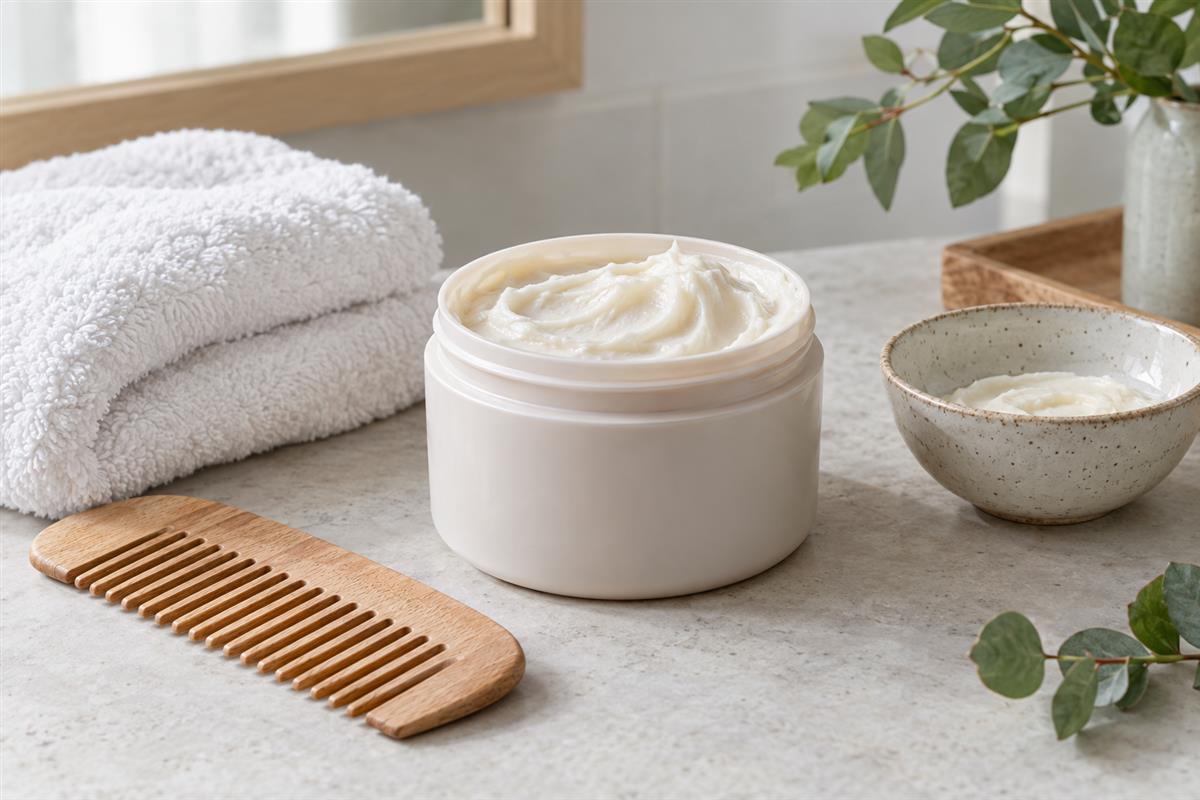
A hair mask is a conditioning product often used during washing to temporarily improve how hair looks and feels. Formulas differ in texture and instructions; they do not all need the same application time or frequency.
If you are starting out, this guide helps you compare options, apply a reasonable amount and observe the result without assuming a product can permanently repair a damaged hair fiber.
Decide whether you need a mask
If your usual conditioner leaves your hair manageable and comfortable, adding a mask is not required. You might consider one when your ends feel rough or you want a softer feeling, remembering that results depend on the formula and your hair.
A mask does not replace cleansing the scalp or treat medical conditions. Split ends cannot be permanently joined by cosmetics; a hair professional can help you decide whether you want to have them trimmed.
Read the label before choosing
Check what the formula is designed for, where it should be applied and whether it requires rinsing. Review ingredients you know you do not tolerate and avoid products with damaged packaging or changes in smell, color or texture. A high price does not guarantee a formula suits you.
For fine hair, a lighter texture or small amount may feel more comfortable. For a dense head of hair you can work in sections. These are not fixed rules: look for an option that rinses well and leaves the result you prefer.
Read also: How to choose and use hair conditioner.
Prepare your hair and the product
Follow the order on the label; many masks are applied after shampooing to damp hair. Gently remove excess water so the product does not immediately slide off. Do not mix the formula with other ingredients unless the manufacturer directs you to do so.
Take a small amount with clean hands. If the product is in a jar, avoid introducing water or dirty utensils and keep it closed between uses. Check the indicated period of use and store the product according to its directions.
Distribute without pulling
Apply to lengths and ends or the areas indicated, avoiding the scalp unless the label recommends applying it there. Distribute with your fingers or a wide-tooth comb without forcing knots. Divide hair into sections if that makes application easier.
Respect the time stated for the formula and rinse thoroughly when directed. Leaving a rinse-out mask on overnight or adding heat on your own does not guarantee better results and may cause discomfort. Avoid contact with your eyes.
Evaluate the result
After rinsing, dry gently with a soft towel and continue your usual styling routine. Notice whether your hair feels more manageable, whether residue remains or whether it loses volume. A heavy feeling may mean you should use less or try another formula.
You do not need to use a mask at every wash. Start with the suggested frequency and adjust to your needs. If you also use conditioner, check both labels to decide whether you need both products on the same occasion.
Recognize when to stop
Before trying a new formula, read its directions and consider a localized test when the manufacturer recommends one; it cannot guarantee a reaction will never occur. If burning, itching or irritation appears, remove the product and stop using it.
Consult a health professional if discomfort is severe, continues or concerns you, and follow their advice if you have a scalp condition. A mask is a complementary cosmetic product, not a substitute for an individual evaluation or treatment.
Quick summary
- A hair mask is optional and its cosmetic effects are temporary.
- Read the label for application area and timing.
- Use a small amount and distribute it without pulling.
- Rinse when the manufacturer directs.
- Stop using a product that causes discomfort.