 STELABEAUTYAPP
How to Choose a Hair Color That Suits You (and Try It Before Dyeing)
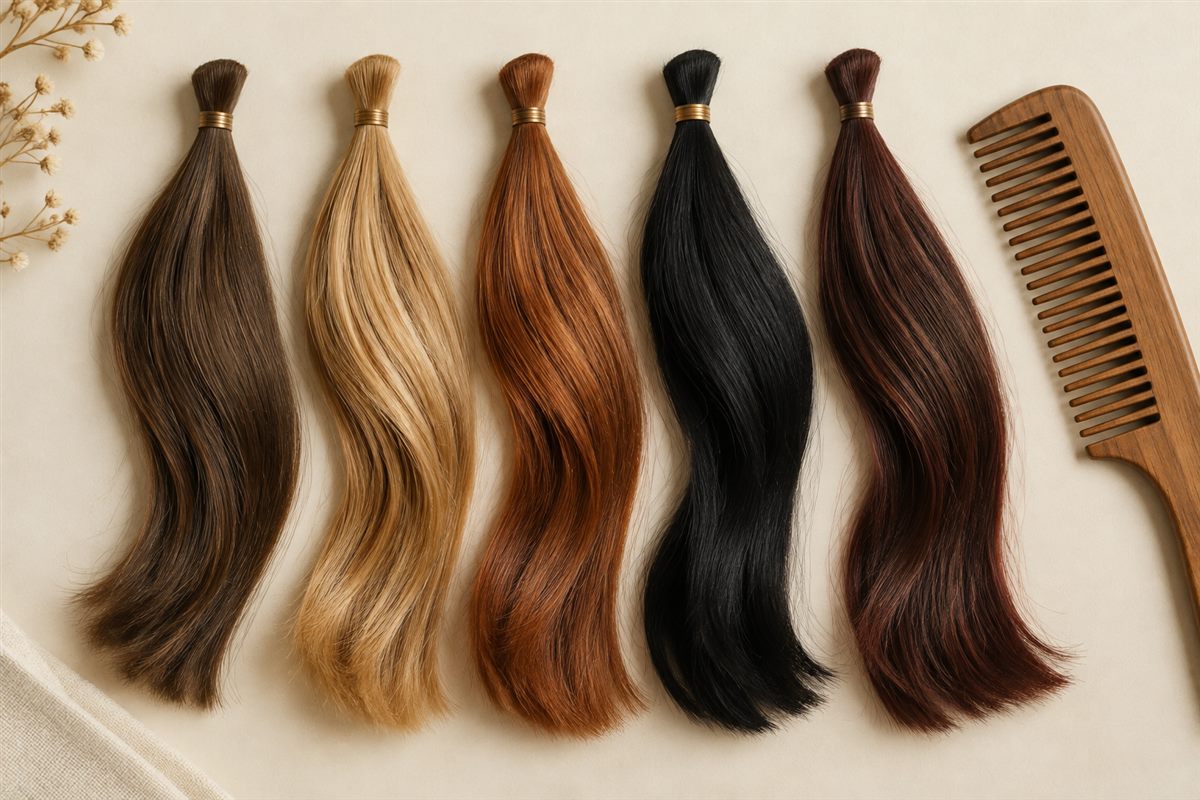
Changing your hair color is one of the most visible transformations and also one of the hardest to undo. A well-chosen shade brightens the face; one that does not harmonize can harden your features or make your skin look tired. Before heading to the salon, it helps to be clear on three factors: your undertone, the level of change you are willing to maintain and the care involved.
This guide helps you decide calmly, talk to your stylist more precisely and test ideas before committing to a dye.
Undertone and contrast: the basis of the decision
Cool undertones usually pair well with ash browns and blondes, blue-black, rosy coppers and cool fantasy shades such as lavender or blue. Warm undertones look harmonious with chocolate or caramel browns, golden blondes, coppers and orange-toned reds. Neutral undertones can move between both, relying on eye color and the contrast they want to achieve.
Contrast matters too: very dark hair next to very fair skin gives a dramatic effect, while shades close to your natural color soften the face.
How much change you want to maintain
- Subtle change (one or two shades): highlights, glosses or tones close to your natural color; root growth is barely noticeable.
- Medium change: highlights, balayage or babylights, with a gradual transition and fewer touch-ups.
- Bold change: full bleaching or fantasy colors; they require frequent touch-ups and specific care.
The further you go from your natural color, the more maintenance you will need in time and money. Ask your stylist how many visits a year the result will take.
Read also: How to Choose a Lipstick Color for Your Skin Tone and the Occasion.
What to know about hair health
Bleaching lifts the cuticle and can dry out hair, especially if it is already damaged by flat irons, previous dyes or straightening treatments. A consultation with a professional will help you assess whether your hair can handle the change and whether it is better done over several sessions.
Always do an allergy patch test 48 hours before using a dye, even if you have used it before, following the manufacturer instructions. If redness, itching or swelling appear, do not apply the product and consult a health professional.
Care before and after coloring
- Moisturize with masks or repair treatments in the weeks before.
- Wait a few days before washing after coloring, if your stylist advises it.
- Use sulfate-free shampoo and lukewarm water to keep color vivid longer.
- Protect your hair from the sun and excessive heat, and cut back on flat irons.
- Coppery, red and fantasy shades fade faster; consider color-depositing masks.
How to turn a reference into a real formula
Bringing a reference photo helps, but it is also worth talking about level and tone. Describe whether you want it warm or cool, lighter or darker, and mention your current color and any treatments you have had. A good professional will tell you whether the result is possible in a single session.
Keep in mind that photos on a screen change with light, filters and color balance, so the final shade may look different.
Try it before you dye
StelaBeautyApp includes a hair color studio where you can try natural, warm and fantasy shades on your own photo or with the camera. It is a practical way to rule out options and arrive at your appointment with more concrete ideas. The simulation is illustrative: lighting, your base color and the condition of your hair all affect the real result, so a professional assessment cannot be replaced.
Quick summary
- Define your undertone and the contrast you want.
- Decide how much maintenance you are willing to take on.
- Always do the allergy patch test before dyeing.
- Bring your stylist references and details of previous treatments.
- Try shades virtually to rule out options.