 STELABEAUTYAPP
How to Choose a Lipstick Color for Your Skin Tone and the Occasion
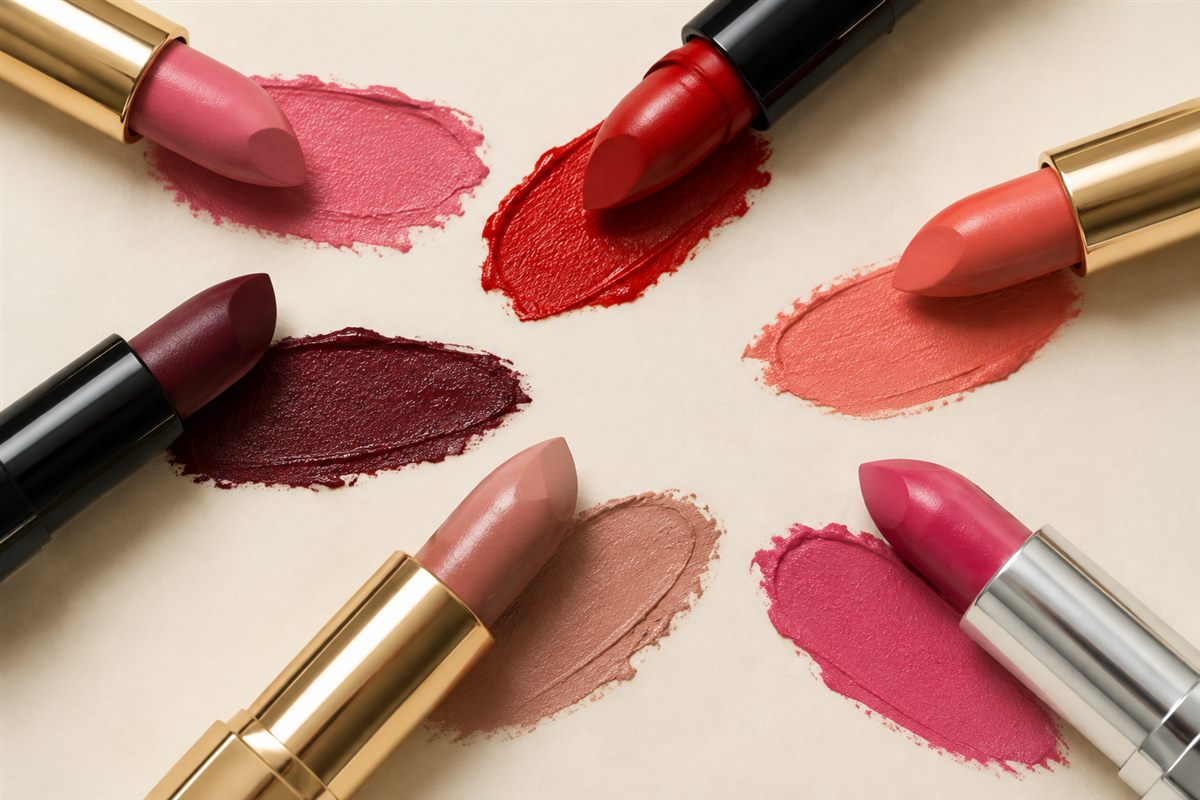
Lipstick changes the expression of a face with a single gesture, but it also raises the most questions: a cool or a warm red? A pink or a beige nude? Matte or glossy? The answer depends on your undertone, on the contrast with your hair and eyes, and on the occasion you are wearing it for.
Below you will find clear criteria for choosing with confidence, a short guide by color family, and tricks to make lipstick last and look even.
Start with your undertone
As with foundation, undertone guides the choice. Lipsticks also have cool shades (with a blue or pink base) and warm shades (with an orange or golden base). A useful rule: cool undertones usually look harmonious with cool pinks, raspberries, plums and blue-based reds; warm undertones with corals, peaches, terracottas and orange-based reds.
Neutral undertones have more freedom and almost any family works, so the decision rests more on the depth of the color and on the finish.
Choose according to the depth of your skin
- Fair skin: very dark shades create a lot of contrast; for a soft effect, try dusty pinks, peaches and sheer reds.
- Medium skin: you have a wide range; intense reds, vibrant pinks, rosy browns and corals look balanced.
- Deep skin: saturated shades such as plum, wine, deep reds, fuchsias and chocolate browns usually stand out beautifully, and nudes work best when they are deeper than your natural lip color.
These are guidelines, not rules. If you love a color and it makes you feel good, wear it.
Read also: How to Choose a Foundation Shade for Your Skin Undertone.
Nude, pink, red or deep color: when to wear each
Nude is the everyday wild card: it adds definition without drawing attention. To choose one, look for a shade slightly deeper or pinker than your natural lip. Pinks bring freshness and suit daytime; reds are classic for special occasions and photography; deep shades such as wine or plum are usually kept for evenings or looks with more personality.
If you are unsure about red, try a balm or tint version first, which you can blend with a fingertip and is more forgiving than a highly pigmented matte lipstick.
Finishes: matte, creamy, satin and gloss
- Matte: intense color and long wear, but it can emphasize dryness.
- Creamy or satin: comfortable and even, a good balance for everyday wear.
- Gloss: adds visual volume, ideal over lipstick or on its own, although it wears off faster.
- Tint: low transfer and a natural effect, suited to anyone who does not want to reapply.
Thinner lips often look fuller with luminous finishes, while mattes work well on fuller lips or lips with a defined outline.
How to prep your lips and make color last
Gently exfoliate once or twice a week, moisturize with a balm before applying makeup and blot off the excess. A lip liner in the same shade helps define the outline and keeps color from feathering. To extend wear, apply a first layer, press with a tissue and add a thin second layer.
If you notice irritation, burning or swelling with any product, stop using it. If it persists, consult a health professional.
Try the color before you buy
Lipstick shades change a lot between the packaging, the screen and real lips. In StelaBeautyApp you can try different lip colors on your own face with the live camera or in a photo, and compare before and after. The result is a visual reference and may vary with lighting and the product; use it to narrow down options and confirm with a tester or the store return policy.
Quick summary
- Let your undertone and skin depth guide you.
- Pick a nude slightly deeper or pinker than your natural lip.
- To start with reds, try balms or tints.
- Prep your lips and press with a tissue to make color last.
- Confirm the color with a tester before buying.