 STELABEAUTYAPP
How to towel-dry hair without rubbing
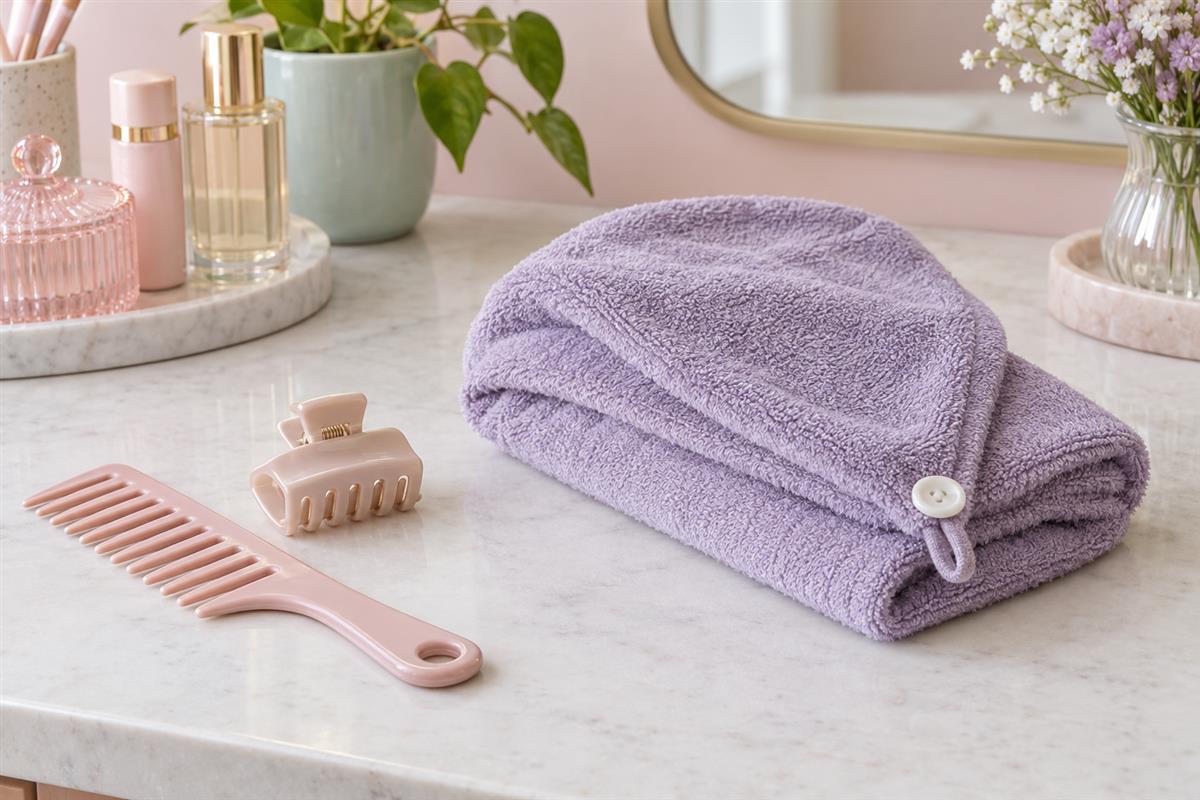
After a shower, removing some water with a towel can make styling more comfortable. You do not have to rub quickly or squeeze your hair hard to begin drying it.
Texture, length and hair density affect individual needs. This guide offers simple steps for trying a gentle technique and adapting it to your routine.
Choose a clean, soft towel
You can use a microfiber towel, a clean cotton T-shirt or a soft towel you already own. Look for fabric that does not snag hair and is comfortable to handle. You do not need to buy a special accessory to start.
The towel should be clean and dry. Wash it regularly and let it dry after each use. Store it somewhere clean and replace a towel that remains damp or retains an unpleasant smell after washing. If seams or rough parts pull on strands, try a different option that feels more comfortable. Keep a second clean towel available if the first one has not yet dried.
Remove excess water with your hands
After rinsing shampoo and conditioner according to their directions, gently press your hair with clean hands. Work from mid-lengths to ends without twisting hard or pulling on your scalp.
If you have a lot of hair, divide it into manageable sections. You do not need to remove all the water at this stage. Avoid scratching the roots with your nails and keep a comfortable posture to prevent pulling.
Read also: How to detangle hair gently for beginners.
Press with the towel
Place the fabric around a section and press gently to absorb water. Repeat in sections, moving to a dry part of the fabric as needed. Avoid vigorously moving the towel back and forth.
You can hold the ends in the fabric and make small upward motions if comfortable, without squeezing too hard. Notice how your texture responds: what works for straight hair may feel different on curly hair.
Avoid tension if using a towel wrap
A fabric wrap can keep hair out of the way while you do other things. Wrap without tightening across the forehead or pulling on the roots. If it feels too heavy, causes pain or slips, remove it and use the towel in sections.
There is no need to leave hair wrapped for a long time. Remove the fabric after absorbing excess water and let the hair finish drying in a way that feels comfortable. Avoid a tight knot that puts pressure on the scalp.
Detangle carefully
Damp hair can be vulnerable to tension. If you choose to detangle it, use a suitable tool and begin at the ends. Hold each section above the knot and work gradually toward the roots.
If you use a leave-in product, check where and how much to apply. Not all hair needs the same product. Stop if a comb pulls strongly and divide the section into smaller pieces before trying again.
Finish drying safely
You can air-dry your hair or use a hair dryer according to its instructions. If using heat, avoid excessive temperatures and keep the appliance away from water. A heat protectant does not replace the appliance’s safety directions.
Clean your tools and avoid tying hair too tightly. If you notice pain, persistent irritation or hair loss that concerns you, consult a health professional. A cosmetic guide cannot replace an individual assessment.
Quick summary
- Use clean, soft fabric.
- Remove excess water without twisting or pulling.
- Press in sections rather than rubbing.
- Keep a towel wrap loose if you use one.
- Detangle gently and follow tool instructions.