 STELABEAUTYAPP
How to care for frizzy hair while respecting its texture
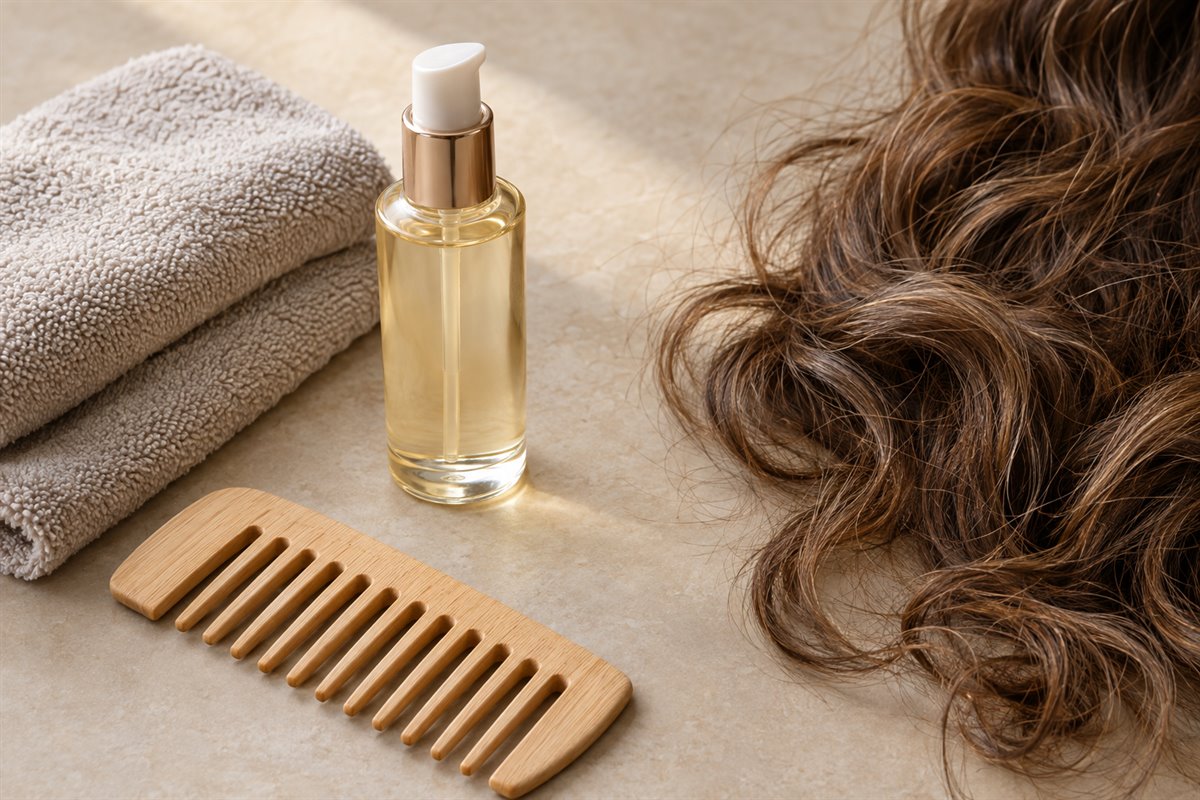
Frizz describes strands that separate from the overall shape of a hairstyle. It can change with humidity, friction, texture and care habits. It is not a flaw: you can keep it, reduce it or change the finish according to your preferences.
This guide suggests washing, drying and styling adjustments to try without promising identical results for every person’s hair.
Notice when it appears
See whether frizz increases after towel drying, dry brushing, heat styling or spending time in humidity. Straight, wavy, curly and highly textured hair responds differently, even across areas of the same head.
Make a note of products and methods you use over several days. This helps you change one thing at a time. Natural texture and some loose strands are normal and do not need to be corrected.
Wash and condition gently
Choose a shampoo that cleans the scalp without discomfort. Massage with fingertips and let lather pass through the lengths during rinsing without rubbing them. Adjust washing frequency to your activities and scalp needs.
Apply conditioner to mid-lengths and ends according to its label. It may make detangling easier and temporarily improve how hair feels. A formula that is too heavy can reduce volume, so adjust the amount based on your experience.
Read also: How to choose and use hair conditioner.
Reduce friction while drying
Gently press the lengths with a microfiber towel or soft fabric to remove excess water. Avoid vigorous rubbing or twisting. Detangle from the ends using your fingers or an appropriate tool, working in small sections when necessary.
Air dry when practical. If you use a dryer, consider moderate heat and keep it moving, following its instructions. No heat protectant completely eliminates the risk of heat damage, so avoid unnecessary repeated exposure.
Try small amounts of product
Leave-in conditioner, styling cream or serum may help control the finish for some people. Read the label and start with a small amount on mid-lengths and ends. Too much can leave residue or make hair feel heavy.
Oils and serums may add shine, but do not permanently repair the hair fiber. Avoid applying products near the scalp if they irritate you. Do not introduce many new formulas on the same day so you can evaluate each one.
Style for your texture
Some people with curls prefer to detangle while hair is damp and conditioned, while other textures are easier to manage another way. Try small sections and avoid stretching or pulling the roots. Choose styles that do not hurt.
A soft pillowcase, loose braid or fabric accessory may reduce friction during rest, though results vary. Adjust these habits if they leave marks or feel uncomfortable. Change the position of tied styles to avoid repeated tension.
Evaluate what works for you
Observe hair after several washes and under different humidity conditions. If you like the shape but lose volume, use less product. If tangling continues, review how you detangle and consult a stylist for individualized suggestions.
You do not need to eliminate every loose strand for a hairstyle to look good. For scalp irritation or hair loss that concerns you, seek professional guidance. Keep products closed and follow their instructions.
When trying a new technique, compare the result after your hair is completely dry. This helps distinguish the effect of moisture from the amount of product, so you can decide which adjustment is actually useful.
Quick summary
- Frizz is normal and its finish is your choice.
- Wash and condition without rubbing the lengths.
- Press with soft fabric to dry.
- Try small amounts of styling product.
- Adapt your styling to texture and comfort.