 STELABEAUTYAPP
How to observe your skin type: a beginner guide
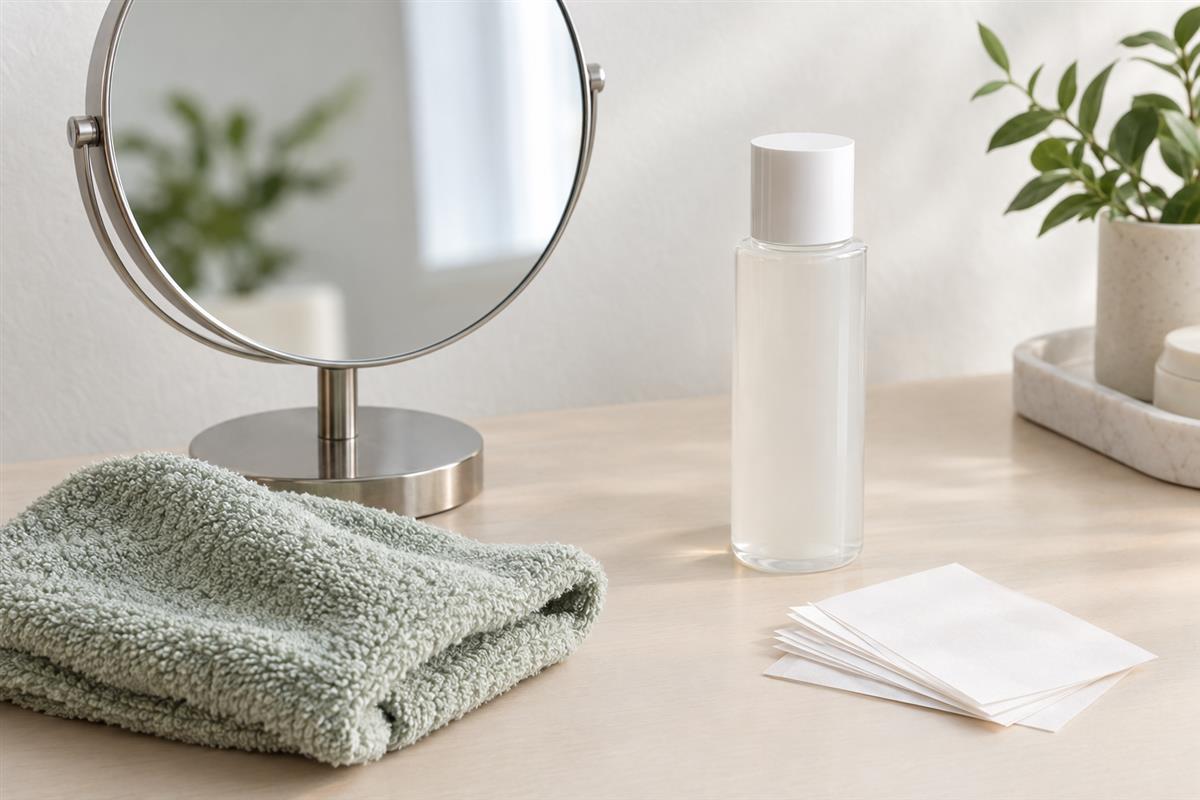
Understanding how your skin behaves can make choosing a cleanser and moisturizer easier. Dry, oily, combination and normal are useful descriptions, not permanent rules: skin can change with weather, products, age or treatments.
You do not need a device or a harsh test. Observe your face under ordinary conditions and use this guide to take notes, choose comfortable textures and recognize when professional advice may help.
Set up a simple observation
Wash your face with lukewarm water and a gentle cleanser you already tolerate, then pat dry. Avoid exfoliating or trying a new product immediately beforehand, since either could temporarily change how your skin feels.
Wait a while without adding cosmetics and notice how your face feels. Do this at home when you do not need to go outside: do not skip daytime sunscreen to repeat the observation. One check is neither a medical test nor a permanent classification.
Notice feelings and different areas
Persistent tightness and rough patches can accompany dry skin. Shine returning across much of the face may be characteristic of oily skin. Combination skin may show shine on the forehead, nose and chin while the cheeks feel different.
If you notice little tightness or shine, some people describe the skin as normal. No type is better than another, and a shiny surface can still feel uncomfortable. Avoid drawing conclusions based only on the apparent size of pores.
Read also: A Skincare Routine for Your Skin Type.
Separate changes from discomfort
Dry weather, frequent washing or an irritating product can change how skin feels. A patch that flakes for a few days does not by itself establish your usual type. Observe for several days without changing all your products at once.
Sensitivity describes a reaction or feeling, not necessarily a separate skin type. If you feel burning, pain or itching, stop using the suspected product. Seek professional advice if discomfort is severe, continues or concerns you.
Adjust a basic routine
Choose a gentle cleanser and use it according to your skin’s needs without scrubbing. A light lotion may feel comfortable in shiny areas; a richer cream may suit dry patches. These are options rather than mandatory rules.
Apply broad-spectrum sunscreen during the day according to its label and consider shade and protective clothing. No skin type makes sun protection unnecessary. If a texture leaves residue or feels uncomfortable, try another that you tolerate better.
Try one change at a time
Before introducing a cosmetic, read its label and avoid ingredients you know you do not tolerate. You can test a small area according to the manufacturer’s directions; a localized test cannot guarantee that a reaction will never occur.
Introduce one product at a time and note when you started, where you applied it and how your skin felt. If you change everything at once, it is harder to identify the cause of discomfort. Do not apply a product to broken skin unless a professional advises it.
Review notes without seeking perfection
For several days, record how your skin feels when you wake and at the end of the day, along with weather and routine changes. You can notice differences between areas without assigning a precise label. Comfort is a practical signal for adjusting a texture or amount.
If you have sores, persistent redness, sudden changes or a diagnosed condition, consult a dermatologist or health professional. This guide provides general cosmetic information and does not replace an individual evaluation or treatment.
Quick summary
- Observe your face without exfoliating or introducing new products first.
- Compare sensations and shine across areas over several days.
- Choose comfortable textures and change one product at a time.
- Use sun protection during the day.
- Consult a professional about persistent discomfort.