 STELABEAUTYAPP
Morning skincare for beginners: the basic steps
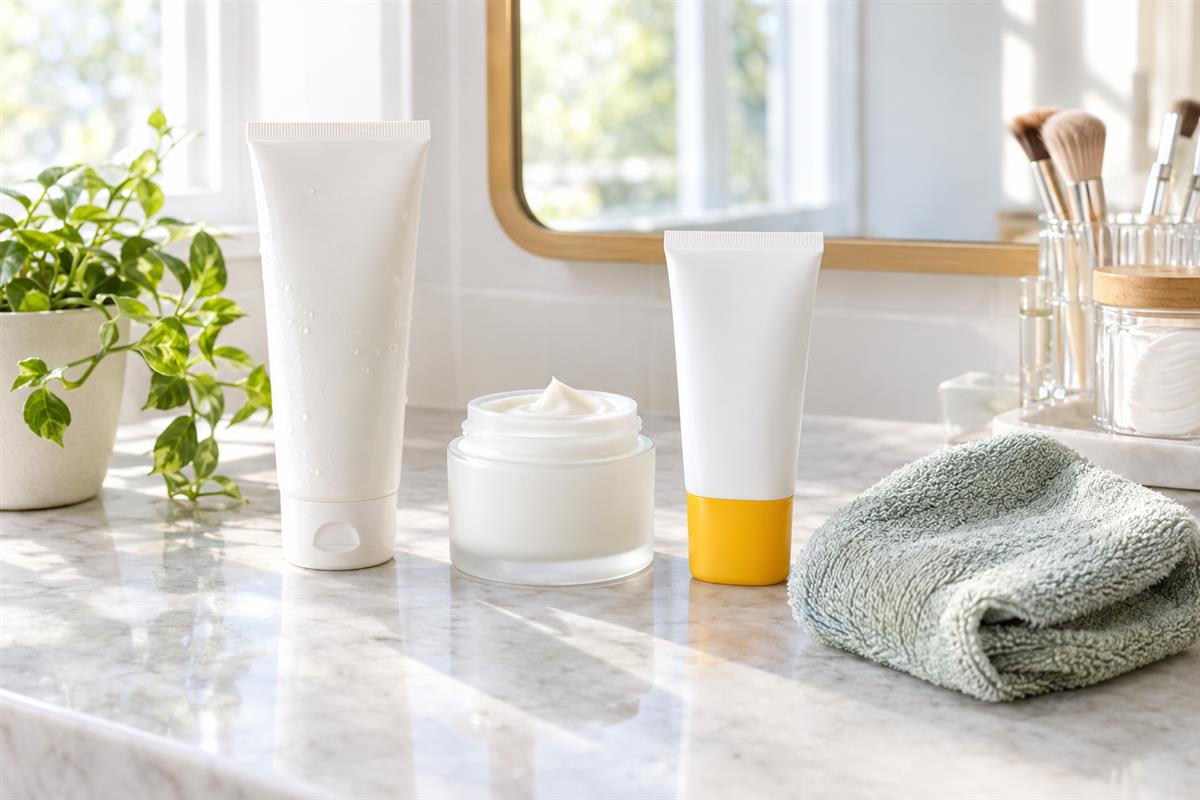
A morning skincare routine does not require many products to be practical. You can start with gentle cleansing when needed, moisturizer if your skin benefits from it and sun protection for exposed areas.
Needs differ between people and can change with the weather or treatments. This guide offers general steps for noticing skin comfort and avoiding too many new products at once.
Start by observing your skin
When you wake up, notice whether your skin feels comfortable, dry or oily. An occasional sensation does not by itself establish a permanent skin type. Weather, products used the night before and other factors can all influence how it feels.
If you have persistent irritation, a skin condition or treatment prescribed by a professional, follow their recommendations. Do not change medical treatment solely because of a general beauty guide or a product recommendation.
Cleanse without rubbing
If your face needs cleansing, choose a facial cleanser that feels comfortable and follow its directions. Use lukewarm rather than very hot water, applying with clean hands and gentle movements. Rinse if the product instructions say to do so.
Pat dry with a clean towel. Avoid rubbing and do not routinely use abrasive tools. If a cleanser causes strong tightness or burning, consider another formula and seek advice if discomfort does not go away.
Read also: A Skincare Routine for Your Skin Type.
Moisturize as needed
A light lotion or richer cream may feel comfortable depending on your skin and environment. Spread a small amount over your face without bringing product into the eyes. Some formulas have specific directions for application, so check the label.
Several serums or creams are not mandatory. When introducing a new product, observe how your skin responds and check for ingredients you know you do not tolerate. A small test can help identify discomfort but cannot guarantee that a reaction will never occur.
Apply sun protection
For sun exposure, choose broad-spectrum sunscreen suitable for your skin and follow its instructions for amount and reapplication. Apply to exposed areas such as the face, neck and ears, and observe directions for sensitive areas.
Combine sunscreen with shade, suitable clothing and other protective measures. A hat can help shade the face, but it does not replace sunscreen on exposed skin. A thin layer of makeup or tinted cream does not necessarily replace the indicated amount of sunscreen. If using makeup, let the sunscreen settle before applying it.
Keep your routine simple
Introduce changes one at a time so you can identify a product that may cause discomfort. Burning, tingling or tightness is not necessary for a product to be useful. Reduce steps if your routine starts feeling uncomfortable.
Adjust moisturizing to the weather and your skin’s response, not only to labels such as dry or oily. If sunscreen forms residue with another product, check instructions, allow layers to settle and consider a different formula.
Hygiene and signs to stop
Keep hands and towels clean, close containers and check the period of use. Discard products that change in smell, color or texture. Do not share applicators that touch skin, and avoid storing cosmetics in excessive heat.
Stop using a product that causes burning, itching or redness. If symptoms persist, or you experience pain or a significant reaction, consult a health professional. A comfortable, consistent routine may be more practical than a long one.
Quick summary
- Observe your skin and adapt steps for comfort.
- Cleanse gently without scrubbing or very hot water.
- Moisturize if needed and add products gradually.
- Apply sunscreen as directed and combine protective measures.
- Stop using products that cause discomfort.