 STELABEAUTYAPP
How to choose and apply makeup concealer
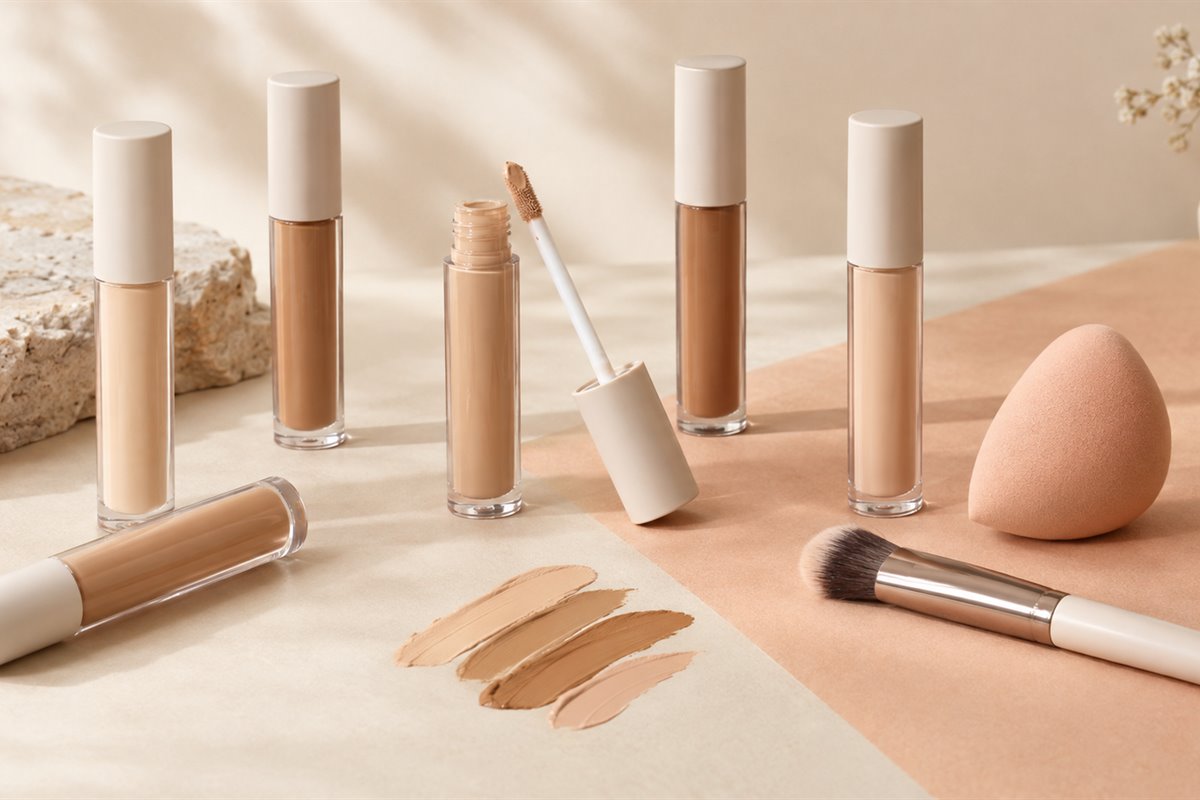
Concealer can help even out specific areas without covering the whole face. Choosing one involves shade, texture, coverage and where you intend to use it. There is no universal shade, and you do not have to cover every mark for your makeup to look beautiful.
Here is how to compare shades, apply small layers and reduce excess product in creases. Real skin has texture, and that is normal.
Decide what you want to cover
Look at your face in natural light and decide which areas you want to make up: under-eye shadows, a localized color difference or the sides of the nose. Concealer changes appearance while it is worn; it does not treat the cause of a mark or replace a professional assessment if a lesion changes or concerns you.
For an area of the face, a shade close to your foundation or skin often works well. To brighten under the eyes, you can try one slightly lighter, but too much contrast can look gray or draw attention to the area in photographs.
Compare shade and formula
As with foundation, consider both depth and undertone. If possible, compare two or three shades where you will wear them and wait a few minutes to see how they look. Online photographs and virtual try-ons are a starting point, not a guaranteed match: lighting and screens change color perception.
A fluid formula may feel comfortable for light coverage, while a denser cream may provide more localized coverage. The feel varies among brands. If the area is dry, prepare with moisturizer and test the texture before deciding.
Read also: How to Choose a Foundation Shade for Your Skin Undertone.
Prepare skin and use a little
Cleanse and moisturize before makeup. During the day, apply sunscreen according to its label before concealer. Let products settle to reduce uneven mixing. Use clean hands and washed tools, especially near the eyes, and avoid using cosmetics on irritated skin.
If you wear foundation, you can apply it first and add concealer only where you still want coverage. Place small dots on the darkest area or mark you wish to soften instead of spreading product over the entire face. It is easier to add a layer than remove too much.
Blend without pulling
Tap gently with a clean fingertip, clean sponge or small brush. Work from the center of the area toward the edges to blend into the base. Avoid tugging the delicate skin below your eyes and keep product out of the eye itself.
Check your makeup with your face relaxed and again while smiling. Fine lines appearing as skin moves are normal. If product collects excessively, remove a little with a clean sponge and try a thinner layer next time. Coverage and comfort are more useful goals than a completely textureless finish.
Adjust color if you wish
Some people use a color corrector before their usual concealer: for example, a peach tone may help balance certain blue-looking shadows. The choice depends on skin depth and the color being neutralized. Try a small amount and apply a concealer close to your skin shade on top.
Several correcting shades are not necessary for an everyday routine. If an area looks orange, gray or too light, try less product or another combination. Rather than relying on a rule for everyone, compare the result in daylight and decide whether you like it.
Set and remove gently
If you want to extend the finish, add a little powder with a soft brush where you notice movement. Powder is optional, and too much can emphasize dryness. Check how the formula feels throughout the day before changing your entire routine.
At the end of the day, remove makeup with a suitable cleanser without rubbing hard. Stop using a product that irritates your skin and consult a professional if symptoms persist. Keep the container closed and follow its use and expiration information.
Quick summary
- Choose a shade for the area and effect you want.
- Compare formulas and colors in natural light.
- Apply small dots and blend by tapping gently.
- Use powder only if it feels comfortable.
- Remove makeup and keep your tools clean.