 STELABEAUTYAPP
How to care for colored hair between salon visits
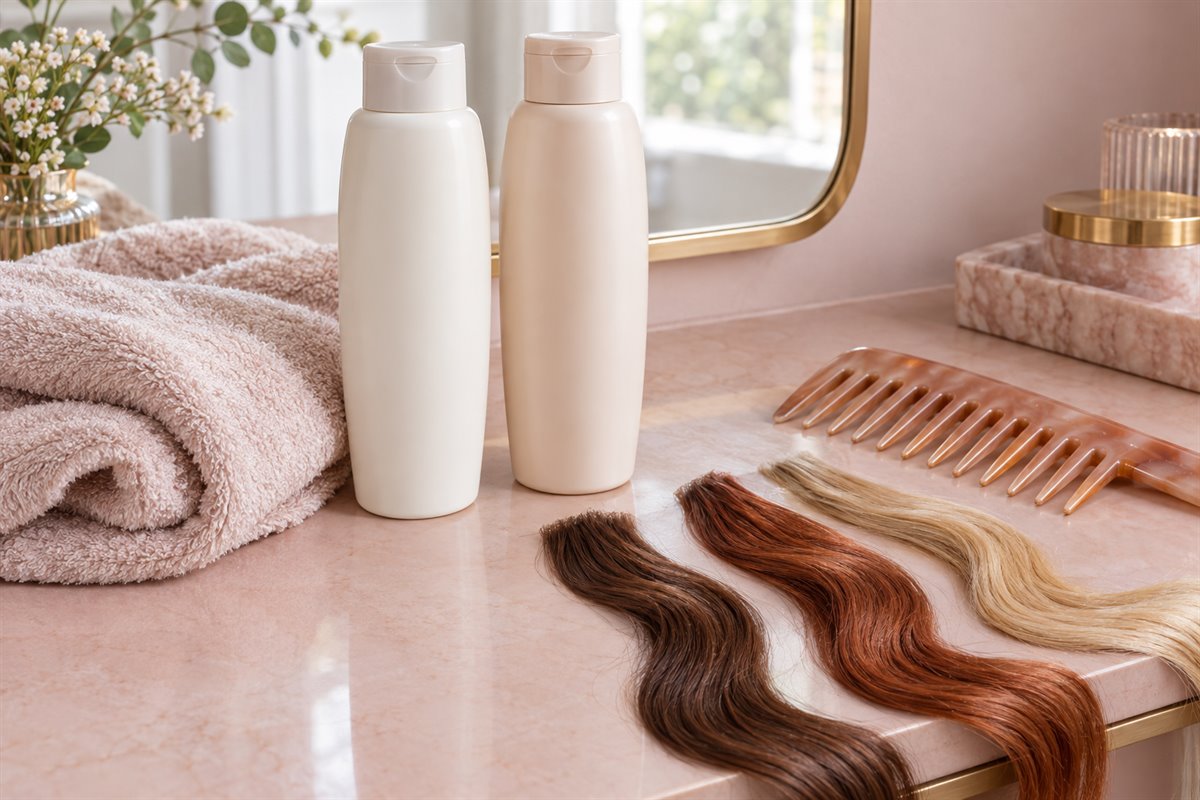
After coloring your hair, both the shade and the hair itself can change with washing, sunlight and heat tools. No product can prevent every change, but a careful routine can help keep your hair comfortable and maintain a finish you enjoy for longer.
These suggestions are general guidance. Follow the specific instructions from your colorist and product manufacturer, especially after bleaching or a recent treatment.
Understand your hair’s needs
Colored hair can feel different depending on texture, previous processes and the kind of color used. Notice whether the ends tangle, feel dry or whether your scalp is sensitive. Hair does not respond the same way for everyone, and you do not need a complete product line to begin caring for it.
If you experience pain, severe irritation or a reaction after applying dye, stop using it and seek advice from a health professional. Keep the packaging or ingredient list so you can share that information during the consultation.
Wash gently
Choose a shampoo that cleans your scalp without making it uncomfortable. If you prefer one formulated for colored hair, check that it also suits your needs. Wet your hair thoroughly, massage the roots with your fingertips and let the lather pass through the lengths as you rinse.
Use lukewarm water and avoid rubbing the ends or scratching with your nails. Adjust frequency to oil, sweat and styling products without avoiding washing when you need it. Follow your colorist’s advice about the first wash after coloring.
Read also: How to Choose a Hair Color That Suits You (and Try It Before Dyeing).
Condition and detangle
Apply conditioner to the mid-lengths and ends, leave it for the indicated time and rinse. If you use a mask, follow its directions and notice whether it leaves your hair comfortable or weighed down. A mask can improve the feel of hair temporarily, but it cannot permanently reverse chemical damage.
Detangle with a wide-tooth comb or a tool that feels comfortable. Begin at the ends and move upward gradually, holding the section to reduce pulling. Avoid forceful brushing when the hair is wet and especially fragile.
Reduce friction and heat
Remove excess water by pressing with a soft towel rather than rubbing. If you use a dryer, straightener or curling tool, consider moderate heat and limit the number of passes. A heat protectant used as directed can complement these precautions, but it does not eliminate all heat damage.
Alternate hairstyles that do not pull at the roots and air dry when practical. Some people prefer a smooth pillowcase or loose braid for sleep. Choose what feels comfortable and avoid fasteners that snag or break hair.
Protect color during activities
Sunlight and pool water can change the appearance of some shades. A hat can help reduce direct exposure. If you swim, follow your colorist’s advice about freshly colored hair and rinse afterward as appropriate for you.
Pigmented shampoos can adjust certain tones, but may deposit too much color or dry the hair depending on the formula. They do not replace professional color correction. Follow the label, test cautiously and ask your colorist before using them on very porous or bleached hair.
Plan maintenance without rushing
How often to touch up roots or refresh a shade depends on growth, contrast and your preferences. Discuss a realistic schedule with your colorist and how to avoid repeated unnecessary processing on the same lengths. A periodic trim can help manage tangling ends.
If you buy home color, follow all manufacturer safety instructions, including the recommended sensitivity test, and never use hair dye on brows or lashes. Stop if a reaction occurs. A StelaBeautyApp virtual try-on can inspire shades, but the real result depends on your hair and the product.
Quick summary
- Wash your scalp gently and condition the lengths.
- Detangle from the ends without pulling.
- Reduce heat, friction and direct sun exposure.
- Follow your colorist’s and product’s instructions.
- Stop use and seek professional advice after a reaction.