 STELABEAUTYAPP
Makeup primer for beginners: how to choose and apply it
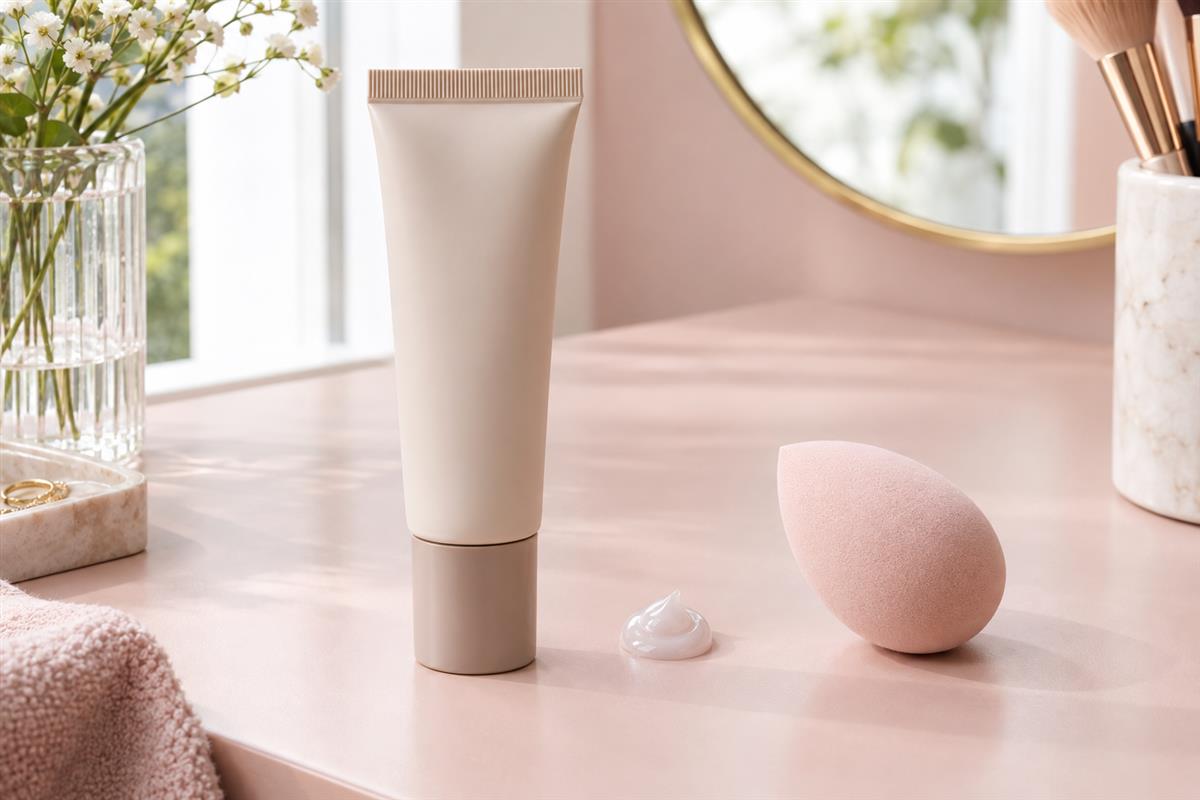
Primer is an optional product applied before makeup to change how the skin looks or feels. Some formulas aim to soften the appearance of texture, while others add glow or help control shine. None is essential for a result you enjoy.
If you are just starting, try your makeup without primer first and notice what you would like to change. This guide helps you compare options, use a small amount and decide whether the extra step is useful for your routine.
Decide what you want from primer
A hydrating formula often feels creamy and may be comfortable when makeup emphasizes dry areas. A mattifying primer aims to reduce visible shine; consider using it only where you want that effect rather than covering your whole face out of habit.
Smoothing primers can make certain pores or lines appear less noticeable for a few hours, but they do not change the structure of your skin. Illuminating formulas add a reflective finish. Choose a result you like instead of relying on promises of perfection.
Read the label and consider your skin
Check the directions, ingredients you know you do not tolerate and intended areas of use. If your skin is sensitive, look for a simple texture and avoid trying several new products at the same time. Testing on a small area as directed may help you notice discomfort, although it cannot guarantee that a reaction will never occur.
If you have a skin condition or use a prescribed treatment, ask your dermatologist before changing products that may cause discomfort. A pleasant feeling at first does not guarantee that the formula will feel the same throughout the day.
Read also: How to Choose a Foundation Shade for Your Skin Undertone.
Prepare skin without replacing sunscreen
Start with clean skin and moisturize if needed. During the day, apply facial sunscreen according to its label and allow it to settle before continuing. Primer is not a substitute for sunscreen: even if it includes a sun protection factor, the amount normally applied as makeup may not provide the stated protection.
Give layers a few minutes if they mix or form little rolls on the skin. There is no exact waiting time for every formula; notice when the products no longer feel wet and follow the instructions on their packaging.
Apply a thin layer
With clean hands, take a small amount and spread it gently over the areas you chose. A clean brush is another option if the product directions allow it. Avoid eyelids, the inside of the eyes and lips unless the label specifically says the product is suitable for those areas.
Let it settle and apply foundation or concealer with gentle taps. If an area feels slippery or your makeup moves, use less primer next time. Adding more layers does not guarantee longer wear and can change the finished look.
Check the result throughout the day
A simple comparison is to use primer on one half of your face and apply the same makeup to both sides. Check in natural light at the start and again several hours later. Consider comfort, shine, product settling in lines and ease of touch-ups, not just the immediate appearance.
If you notice no difference or feel uncomfortable, you can skip it. Primers, moisturizers and foundations interact in different ways, so test the products together before an important occasion instead of assuming every combination will behave identically.
Remove makeup and care for the container
At the end of the day, remove makeup with a suitable cleanser without rubbing hard. Wash brushes regularly and close the container after use. Do not share applicators that have touched your skin, and check the period of use marked on the packaging.
If burning, itching or redness occurs, stop using the product and consult a professional if symptoms persist. Discard cosmetics with changes in smell, color or texture. Start with a simple routine and add steps only when they are genuinely useful to you.
Quick summary
- Primer is optional and formulas offer different finishes.
- Choose a product based on comfort and the effect you want.
- Apply sunscreen separately and allow it to settle.
- Use a thin layer and compare how it wears throughout the day.
- Remove makeup and stop using products that cause discomfort.