 STELABEAUTYAPP
Body moisturizer for beginners: how to choose and apply it
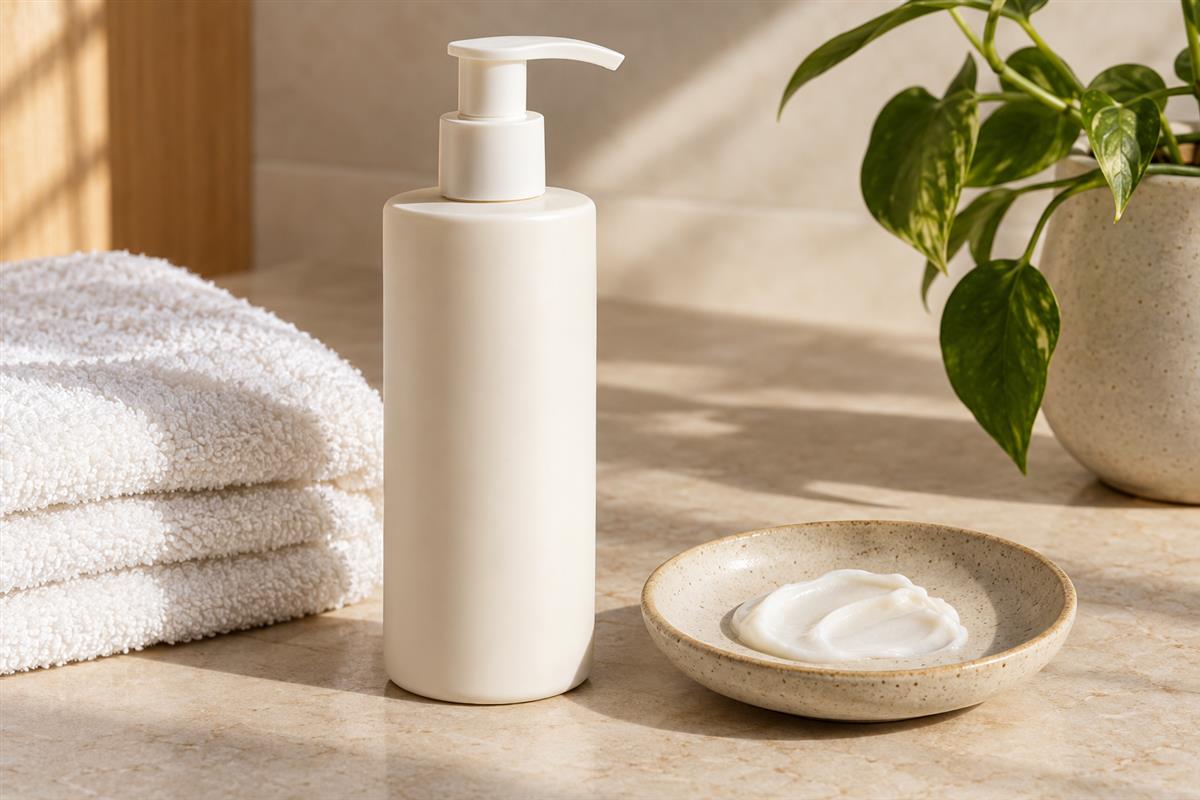
Body moisturizer can help skin feel more comfortable, especially in areas you notice are dry. There are light lotions and thicker creams; the best format depends on your preferences and the individual formula.
This guide explains how to compare products, apply a suitable amount and recognize when to consult a professional. You do not need a different moisturizer for every part of your body.
Observe what your skin needs
Notice areas that feel dry or tight, such as hands, elbows or legs. Sensation can change with weather, washing habits and clothing. You do not have to cover your whole body if you want to moisturize only certain areas.
If you have broken skin, pain, a skin condition or medical treatment, ask for advice before applying a new product to those areas. A cosmetic cream does not replace prescribed treatment or diagnose the cause of dryness.
Compare lotions and creams
Lotions often have a fluid texture and spread easily, while some creams are thicker. These are general descriptions: formulas vary and a dense texture will not necessarily feel better to everyone.
Choose a convenient container and check ingredients you know you do not tolerate. If scent bothers you, consider a fragrance-free formula. Read the label to confirm the product is intended for use on the body.
Read also: A practical routine for caring for your hands.
Introduce the formula carefully
When trying a new product, follow the manufacturer’s instructions and add only one new item to your routine. Testing on a small area of intact skin may help reveal discomfort, but it does not rule out allergies or guarantee future tolerance.
If burning, itching or redness occurs, stop using it. Consult a professional if symptoms persist or are significant. Do not deliberately test a formula containing a substance you already know has caused you a reaction.
Apply a moderate amount
With clean hands, distribute a little product over the selected areas and spread gently. Add a little more if needed. Some people apply it after showering on slightly damp skin, following the instructions on the label.
Avoid putting dirty fingers into a jar; if the manufacturer recommends a clean spatula, use one. Allow the product to settle before dressing if it transfers to clothing. Do not apply to mucous membranes or areas outside its intended use.
Adjust the routine during the day
Reapply to areas that feel dry when needed and when the directions permit. Weather and frequent washing can change how skin feels, so you can adjust the amount or texture with the season and your own comfort.
During the day, use broad-spectrum sunscreen on exposed skin as directed. Body moisturizer without sun protection does not replace that step. Combine protection with shade and suitable clothing when you spend time outside.
Store it and check its condition
Close the container and store it as directed, away from excessive heat. Check the period of use after opening and do not share applicators that have touched skin. Discard products that change in smell, color or texture.
If dryness comes with painful cracks, bleeding or persistent discomfort, consult a health professional. Keep the product label available to discuss its ingredients. Keeping your routine simple can make it easier to observe which products feel comfortable and which ones you may prefer to avoid.
Quick summary
- Notice which areas need moisture.
- Compare textures and ingredients according to your preferences.
- Introduce one new product at a time.
- Apply a moderate amount and adjust as needed.
- Use sunscreen separately and seek help for persistent discomfort.