 STELABEAUTYAPP
A basic makeup kit for beginners: what to choose first
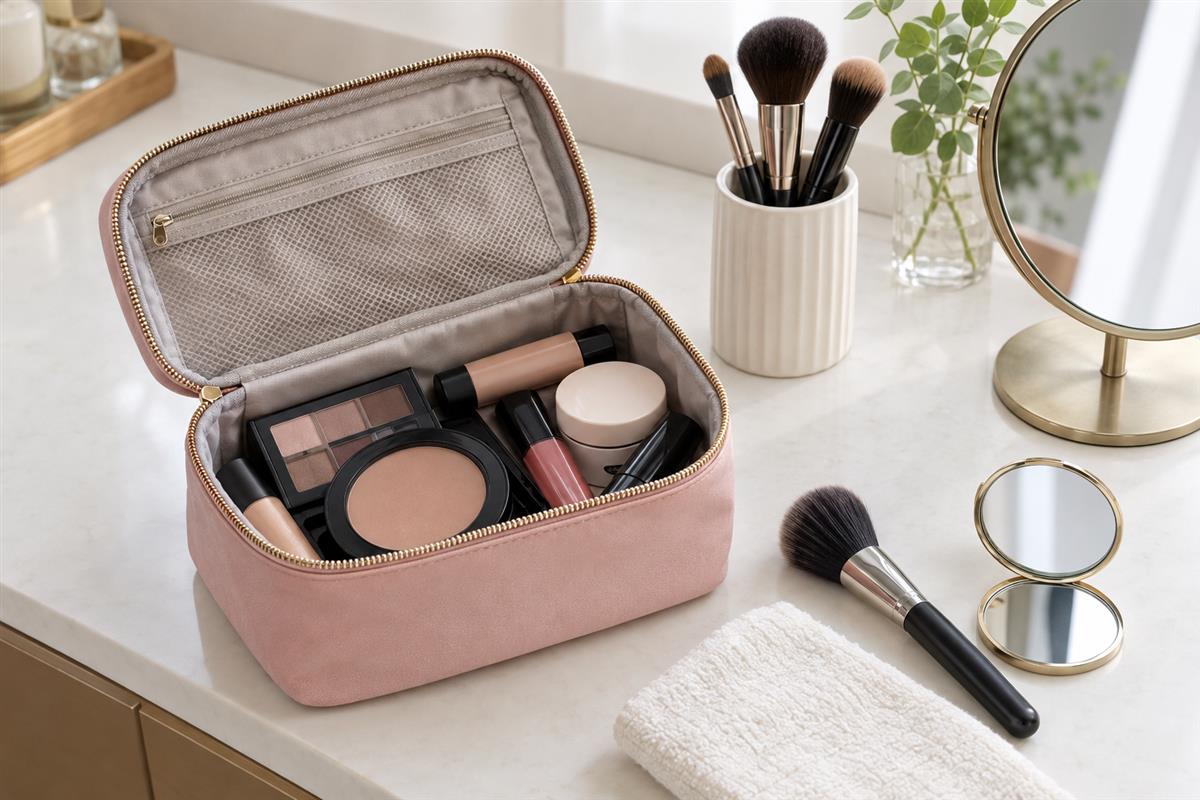
Starting with makeup does not require buying a complete collection. A basic kit can be small, affordable and different for each person. What matters is choosing products you genuinely want to use and find comfortable.
This guide offers a way to prioritize purchases, test colors and care for tools. Every item is optional: you can start with one and add others only when you need them.
Decide what you want to practice
Before buying, think about whether you want to lightly even skin tone, add color to cheeks, try eye makeup or wear lipstick. Choosing one or two goals makes comparison easier and helps avoid accumulating cosmetics you will not use.
No face needs makeup to look good. Consider the time you want to spend, your budget and the finish you enjoy. If you already own products in good condition, check what you can use before purchasing more.
Choose a few face products
Light foundation or tinted moisturizer can provide coverage if you want it; concealer allows you to work on individual spots. You can also skip both. Compare shades along your jawline in natural light and see how they settle.
Blush can add color and powder can reduce shine, but neither is essential. Begin with a format you can control. Cream and powder formulas behave differently, so try small amounts and observe how they work with the rest of your routine.
Read also: Everyday natural makeup step by step.
Add eye and lip products to suit your style
For eyes, a single shadow or small palette can be enough for practice. If you choose mascara or eyeliner, make sure it is intended for that area and follow its directions. Do not share eye products or applicators.
For lips, start with a balm, lipstick or gloss that feels comfortable. Lip liner is optional. Test color hygienically where possible and avoid applying cosmetics to broken or irritated skin. Choose shades you enjoy rather than following fixed rules.
Choose tools that are easy to maintain
A soft powder brush and a small eyeshadow brush can cover many needs. Clean fingers or a suitable sponge work for some formulas. You do not need a separate brush for every step from the first day.
Wash tools with an appropriate cleanser and let them dry fully. Keep sponges ventilated and check the manufacturer’s directions. Do not share applicators and replace those that are damaged or have a persistent smell after cleaning.
Plan purchases and check comfort
Buy gradually and notice what you actually use over several weeks. Compare price by quantity and check the period of use after opening. A small format can help you try a formula without accumulating a large amount of product.
Check ingredients if you have known sensitivities and introduce new products one at a time. If a cosmetic causes burning or irritation, stop using it and consult a professional if it persists. A small test cannot guarantee a reaction will never occur.
Care for skin and store your kit
During the day, use broad-spectrum sunscreen according to its directions; makeup does not replace that step. At the end of the day, remove products with a suitable cleanser without rubbing. Keep containers closed and away from excessive heat.
Store the kit somewhere clean and dry. Check for changes in smell, color or texture and discard deteriorated products. If comparing options in the catalog, check product details and availability directly at the store before deciding.
Quick summary
- Start with products you genuinely want to use.
- Foundation, concealer, blush and powder are optional.
- Choose simple tools and keep them clean.
- Buy gradually and pay attention to skin comfort.
- Use sunscreen separately and remove makeup at the end of the day.