 STELABEAUTYAPP
Makeup brushes for beginners: what to choose and how to use them
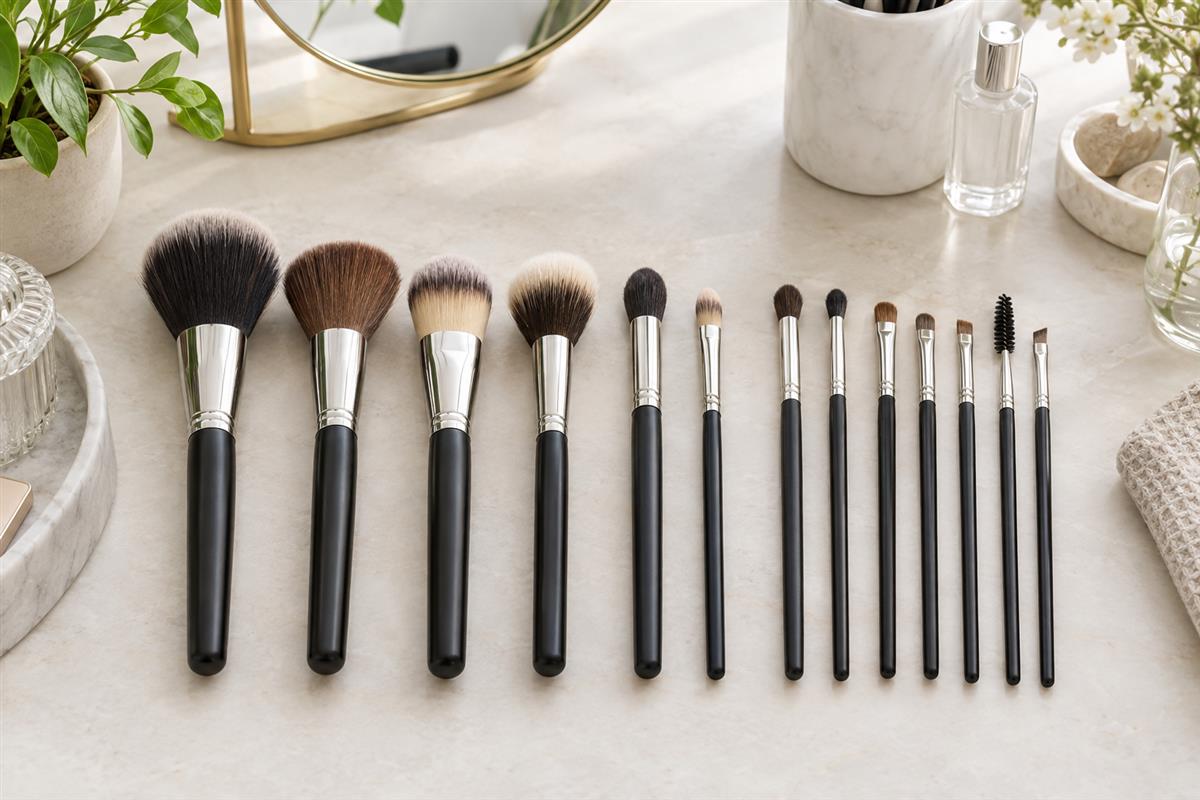
A good brush can help you distribute makeup gradually, but you do not need a set with dozens of pieces to begin. Tools come in different shapes and sizes, and many work with more than one product.
This guide explains how to choose a small set, what movements to try and how to keep brushes clean. Adapt each step to the texture of your products and the comfort of your skin.
Start with a few useful shapes
A large, soft brush can distribute powder with light coverage. A medium rounded brush may apply blush or bronzer. For eyes, a small brush for placing shadow and a slightly fluffier one for blending are a practical starting point.
If you prefer cream products, a densely packed brush can help distribute them. Clean fingers or a sponge may also work when the product allows. Buy additional tools only after identifying a specific need in your own routine.
Compare bristles and size
Synthetic bristles are a common option for powder or cream products, although a brush’s performance depends on its shape and density. Look for soft tips, a comfortable handle and a secure ferrule; a high price does not guarantee that a tool will suit you.
A brush that is too large makes color harder to control in small areas. For eyelids, try sizes that fit the available space without touching the eye itself. If bristles feel scratchy or cause irritation, stop using the brush and consider a softer one.
Read also: How to clean and dry your makeup brushes.
Apply product gradually
Pick up a small amount and remove excess on the edge of the container or on a clean surface. For powder, try light sweeping motions or small taps. For cream, place the product where desired and blend without pressing hard.
When using eye shadow, place one shade with the smaller brush and soften its edges with another clean brush. Check the result with both eyes open and add color gradually. You do not have to cover the whole area or aim for perfect symmetry.
Avoid mixing colors unintentionally
If you have only a few brushes, wipe excess pigment onto a clean, dry cloth before changing shades. This can reduce unwanted mixing, although it does not replace washing. Reserve a tool for eye products if possible.
Avoid using a brush coated in very dark product to apply a light shade. Do not share eye tools either: contact with skin can transfer residue and increase the risk of irritation or infection. Keep personal tools separate and stored in a clean place.
Wash and dry carefully
Wash bristles with lukewarm water and an appropriate mild cleanser, following the manufacturer’s directions. Keep water away from the join between handle and bristles as much as possible. Rinse out visible residue and avoid soaking the whole brush.
Gently press the bristles with a clean towel, reshape them and leave the brush flat in a ventilated place. Do not store it damp in a closed case or use it until it is completely dry. Allow enough time for dense brushes to dry inside.
Know when to replace a brush
Check for excessive shedding, a loose ferrule, an unpleasant smell that remains after washing or bristles that have become rough. A damaged tool can make application difficult or bother your skin; in those cases replacing it is sensible.
If irritation occurs, stop using the product or tool involved and consult a professional if it persists. Close cosmetics after use and leave room to protect your dry brushes from dust. A small collection that is easy to clean can be more useful than a large unused set.
Quick summary
- Start with a few soft brushes in useful sizes.
- Choose the shape for the product and area of application.
- Remove excess and build color with gentle movements.
- Do not share brushes and wash them regularly.
- Let them dry completely before storing them.